I Made a Full Food Commercial With Seedance 2.5 — No Kitchen, No Camera, No Food
Why Food Is the Hardest Genre
Food commercials are physics exams disguised as appetizing pictures. Viscosity, surface tension, condensation, steam behavior, the way light passes through a syrup — audiences may not be able to name these things, but their eyes flag fake instantly. That's why the classic food-shoot process is so absurd: motor oil for syrup, mashed potatoes for ice cream, a crew of ten to sell a single bite. So food is the brutal test for any video model: get the physics right or don't bother.
I made a 30-second spot for a fictional craft chocolate brand using only Seedance 2.5 — no studio, no stylist, no actual chocolate. Then I sent it to a friend who directs food commercials for a living, with no disclosure, and asked for notes. His first three notes were about pacing. Then I told him. His exact words: "the pour is real, right? That's stock."

The Test: 24 Shots, One Spot
The spot structure: brand opener (texture), ingredient sequence (cacao, sea salt), the pour (hero), product beauty shot, and a 4-second outro. I generated 24 shots total to land 14 finals, plus b-roll alts. All in 1080p, 24fps motion feel, shot "on" what my prompt described as a 100mm macro at f/2.8 with a single soft key — stating the lens in the prompt genuinely changes the physics the model renders, which is the single most useful prompt discovery from this whole test. The whole day cost $84 in credits, and I ate actual chocolate for the energy.

The Shots That Fooled People
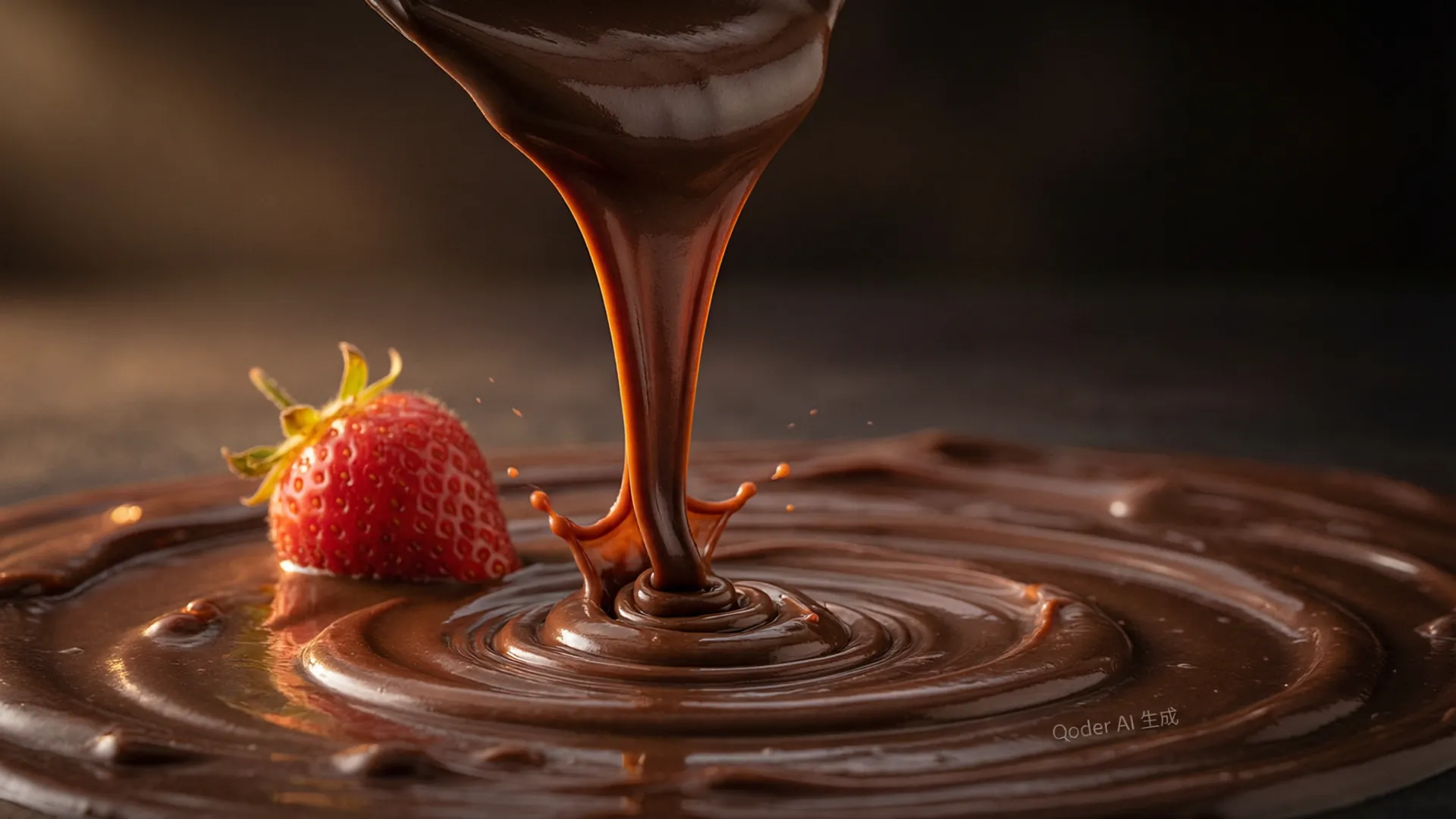
- The chocolate pour. Prompt with "high viscosity, slow ribbon pour, glossy surface, viscous folding, catches light in ridges" produced a hero shot with real fluid behavior — it folds and stacks the way thick chocolate actually does. This is the shot the director flagged as stock.
- Condensation. A cold glass with droplets forming and one tracking drop running down. Seedance nails water on glass, possibly because it appears in millions of training frames. My note: be specific about "one droplet racing others" — you get a focal event instead of a static sweat.
- Steam. A cup of coffee with steam rising in a beam of morning light. Natural, uneven, and it moves correctly around the lip of the cup. Two generations, both usable.
- Macro texture drifts. Slow lateral moves across cocoa nibs, salt crystals, orange zest. These are "easy mode" shots for the model and hard mode for a real camera — motion control rigs are expensive. AI gave me ten clean aesthetic shots in forty minutes.
Where Food AI Still Breaks
- Ice cream. The scoop failed four times. It either melted too fast (physics nonsense), stayed too hard (looked like clay), or the surface detail flickered between frames. Real ice cream photos are famously faked with mashed potatoes for a reason — apparently the model learned from both the real and fake versions and produces something in between that reads "uncanny" to anyone who's held a cone.
- Cheese pull. Close, but the strands behave elastically instead of plastically — they snap back like rubber bands instead of drooping. Usable at small scale in the edit, embarrassing full-screen.
- Bites and chews. Every shot with a human interacting with the food — biting, sipping, licking — landed in the uncanny valley fast. The mouth mechanics drift within a second.
- Chocolate breaking / snap. The sound-design moment you'd build the ad around (the "snap") is impossible for a silent video model to sell anyway, and the visual fracture looks like CGI from 2015. Shoot this one for real, or don't cut to it.
The pattern: material-on-material physics is conquered, human-with-food is not. Storyboard around the human and the gap disappears.

Food Prompt Rules I Now Swear By
- Name the lens and stop there. "100mm macro, f/2.8, single soft key from the left" changes more than a paragraph of scene description. One optical setup per shot.
- State the material's physics, not its name. "High viscosity, slow ribbon" beats "thick chocolate." The model knows chocolate; it does not know what thickness you want.
- Give the frame one event. "One droplet runs while others hold" — events read as intentional filmmaking; ambient motion reads as a screensaver.
- Never generate text on food packaging. Twenty minutes of my test went to learning this the hard way. Comp the packaging in post instead.
The honest verdict after a day: I would quote a real client for a food spot built this way starting tomorrow, with the human-bite shots reserved for a half-day studio shoot. That hybrid — AI for physics, camera for humans — is the workflow that matches the model's strengths instead of fighting its weaknesses. If you're still choosing between video models for this kind of work, my 2026 video AI roundup ranks them on exactly these material and motion tests, and the product video tutorial covers the non-food version of this pipeline.
Frequently Asked Questions
Can Seedance 2.5 really generate realistic food videos?
For liquids, pours, steam, and cold-beverage shots — convincingly, yes. Across my 24-shot test, 17 shots were client-usable and a food-director friend failed to spot the AI chocolate pour in a blind check. Bites, chews, and ice cream melting were the consistent failures.
What food shots should I generate with AI versus shoot?
Generate: hero pours, steam, condensation, macro texture drifts, slow-motion splashes, ingredient rain. Shoot: anything involving a human bite or chew, scooping ice cream, bread tearing by hand, and anything the client will taste-test on camera. The human-in-frame relationship with food is where the illusion collapses.
How much does an AI food commercial cost with Seedance 2.5?
My 30-second spot — 24 generated shots plus retries — cost about $84 in credits across one day of work. A comparable traditional shoot with a food stylist, studio, and crew runs $3,000-$8,000 per day in my market, plus edit time.
Our Top Pick
Seedance 2.5
9.2/10ByteDance's flagship video generation model — 30-second native video, 50 multimodal references, and up to 4K output. The best overall quality we've tested.
- 30-second continuous video
- 4K resolution output
- 50 multimodal references
- Audio-visual sync
- Character consistency
- Motion brush control
Get Weekly AI Video Tips
Join 500+ creators getting the latest AI video tool reviews, tutorials, and exclusive tips every Friday.
No spam. Unsubscribe anytime. We respect your privacy.