Seedance 2.5 First Look: The Day AI Video Grew Up

The Day the AI Video World Stood Still
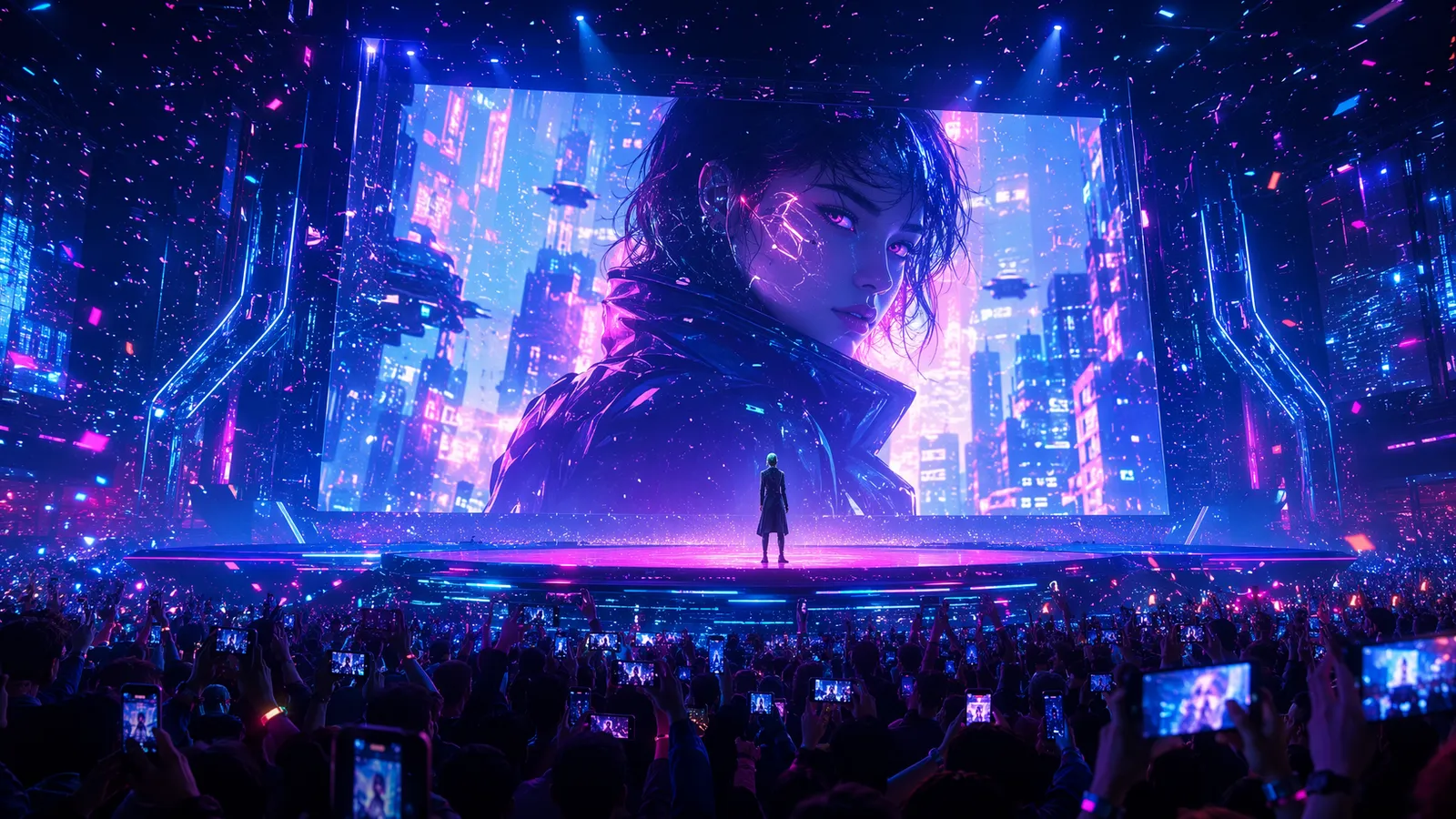
June 23, 2026. I wasn't at the FORCE conference in Beijing, but I might as well have been. Every WeChat group, every Twitter timeline, every AI video community I follow was simultaneously losing its mind. The common thread: a single 30-second video clip generated in one continuous pass by Seedance 2.5, played on the massive screen at the National Convention Center.
Tan Dai, President of Volcengine, walked on stage and played that clip. No cuts. No splicing. One prompt, one generation. The audience of 5,000+ erupted. Someone posted on social media: "Seedance 2.5 dropped, and half the audience left immediately. Turns out they ALL came just to see Seedance 2.5." I smiled when I read that — but it perfectly captured the moment. This wasn't just another model announcement. This was the AI video industry's iPhone moment.
Why This Wasn't Just Another Demo
Let me be honest: I've been burned before. Every few months, some AI video company drops a flashy demo, and we all lose our minds — only to discover the actual product is nowhere near the demo. Sora did this. Runway did this. Pika did this.
But Seedance 2.5 hit different. At launch, Seedance 2.0 was already the undisputed #1 on Video Arena with an Elo score of 1269+. ByteDance's video business was generating an estimated ~$2B ARR with monthly revenue exceeding 1 billion yuan and ~70% gross margins. LatePost had already called Seedance "ByteDance's first money-making AI business." This wasn't a scrappy startup chasing eyeballs — this was the market leader extending its lead.
The timing was surgically precise. OpenAI had effectively killed Sora in March 2026. Kuaishou's Kling 3.0 was decent but hadn't solved consistency. Google Veo 3.1 was technically strong but API-limited. The competitive landscape was a vacuum waiting to be filled — and Seedance 2.5 walked in.
Thirty Seconds That Changed Everything
Non-technical folks might not grasp this: generating a coherent 30-second video is NOT just twice as hard as 15 seconds — the difficulty scales exponentially. Every additional second means more character motion to keep consistent, more environmental changes to track, more camera movement to smoothly sustain. Every AI video model before this was stuck at 10-20 seconds not because of laziness — it was a genuine technical wall. Characters morphed, backgrounds melted, physics broke. In the Chinese AI video community, they call it "gacha rolling."
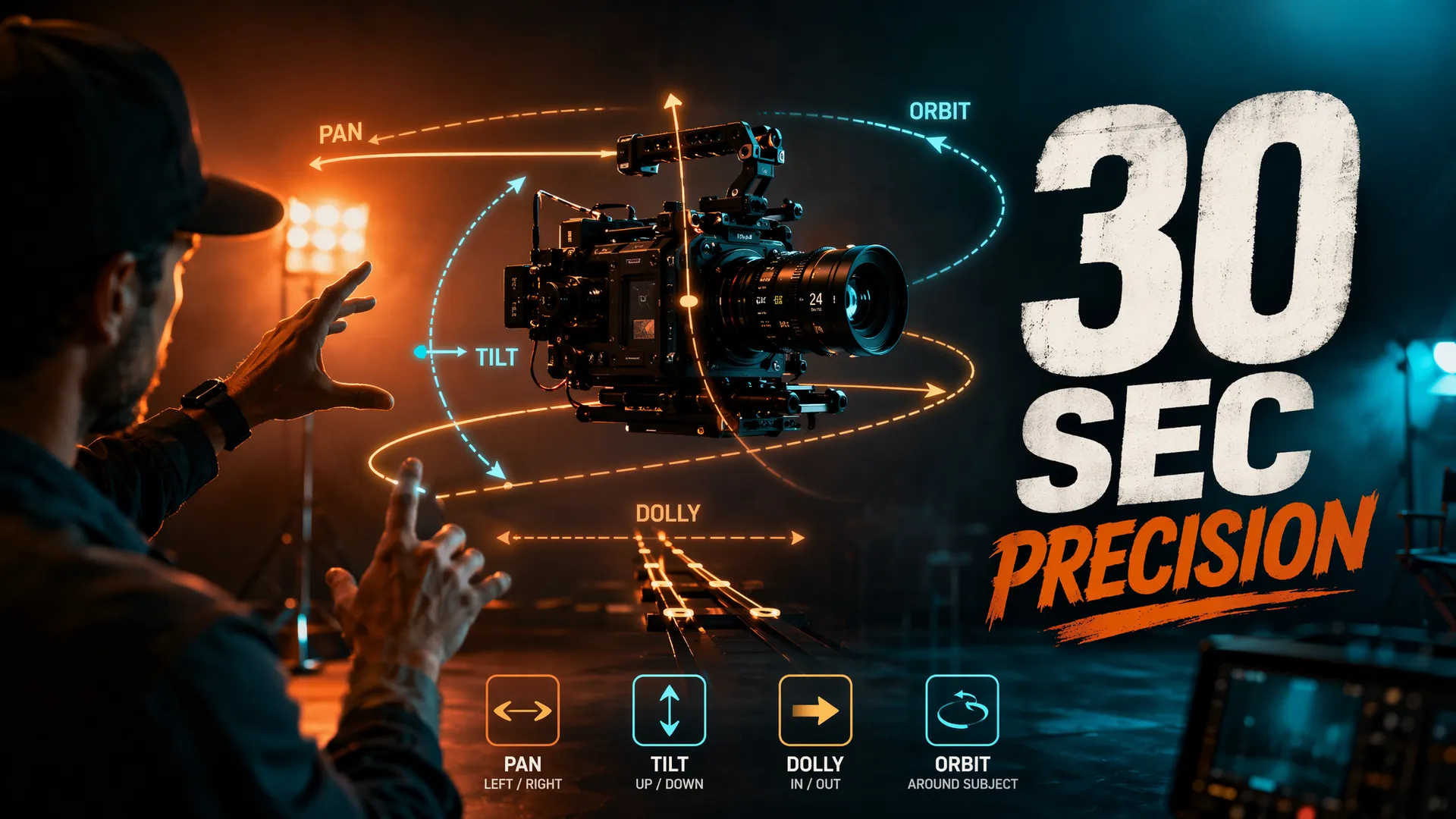
Seedance 2.5 didn't just extend the duration — it fundamentally rearchitected the temporal coherence system. At the FORCE conference, the demos showed multi-character scenes maintaining visual consistency from the first frame to the last across a full 30-second continuous shot. And it's native 4K output with 10-bit color depth — sharp enough for theatrical projection, with dynamic range for professional color grading.
The practical implications hit me immediately. A standard TV commercial slot is 30 seconds. Douyin's sweet spot is 15-60 seconds. For the first time, you can generate a complete, commercially viable ad spot in a single pass. No stitching, no "gacha rolling," no praying to the AI gods.
From Prompt Engineering to Reference Directing
If I had to pick ONE game-changing feature, it wouldn't be 30-second generation — it's the 50-reference multimodal input system. The biggest bottleneck in AI video creation has never been generation quality — it's control. You write a prompt, the AI interprets it however it wants, and then you spend an hour trying to get the character's jacket to be the right shade of blue.
Seedance 2.0 led the industry with 12 references. Seedance 2.5 quadruples that to 50 — 15 character reference photos, 10 scene references, 5 style boards, 5 camera motion videos, 5 voice timbre samples, 3 music tracks, 2 text descriptions, even 3D white-box previews. All input simultaneously. The model digests everything and generates output that respects every constraint.
This is the difference between "writing a text description and hoping for the best" and "assembling a creative brief like a creative director." You're no longer prompting — you're directing. A short drama team I know said 50 references cut their per-episode production time from two days to four hours.
The Boring Feature That Changes Commercial Video
Everyone talked about 30-second generation and 50 references. But the feature that made me sit up straight was local editing — select a specific region of a generated video, modify only that region, and preserve everything else. Local editing in temporally coherent video is one of the hardest problems in the field.
The lipstick ad demo at the FORCE conference perfectly illustrated this. Without re-rendering the model's face, background lighting, or any other element, the team simply swapped the lipstick shade. Everything else stayed pixel-perfect identical. This single capability moves AI video from "cool creative tool" to "commercial production pipeline." For ad agencies, e-commerce teams, and brand marketers, this one feature alone justifies the subscription.
REBOOT: When AI Video Became Cinema
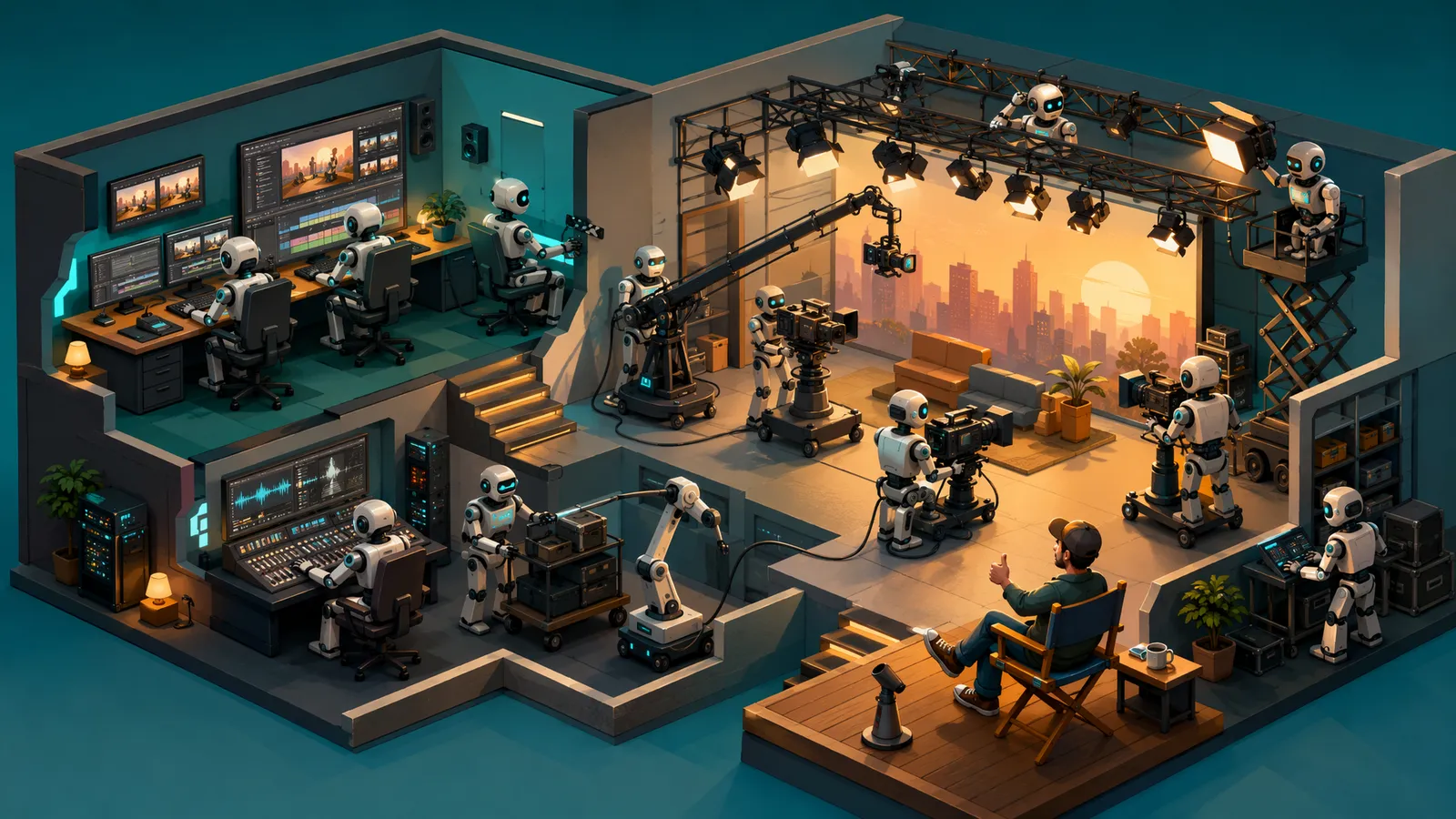
ByteDance premiered REBOOT — the first creative short film produced entirely with Seedance 2.5. What caught me off guard: it was genuinely good. Not "good for an AI video" — genuinely good as a short film. It had character consistency, environmental continuity, emotional pacing, and narrative structure.
REBOOT proved that the 50-reference system, 30-second generation, and local editing aren't isolated features — they work together as a production pipeline. One is a toy; the other is a tool. Former filmmaker Beichuang posted: "A deeply surreal day — Shanghai TV Festival sparse and quiet; Seedance 2.5 launch in full blaze." Traditional production is being outpaced by AI-assisted creation, and it's happening faster than most industry insiders expected.
The Competition Is Eating Dust
Let me be blunt. The gap between Seedance 2.5 and everything else isn't small — it's a chasm. Sora is dead; OpenAI shut it down in March 2026. AIGC director Ding Yi said: "Seedance is more like what Sora was supposed to become." Runway Gen-4.5 is stuck at 10 seconds, 1080p, no native audio. Kling 3.0 can do 4K but only up to 15 seconds.
The scorecard: Seedance 2.5 offers 30-second 4K, 50 references, local editing, native audio with 8+ language lip-sync. Not a single competitor comes close to this.
Follow the Money
The market convulsed. On June 23, A-share media stocks surged — COL Digital Publishing and China Literature hit daily limit-up. Jimeng AI membership revenue skyrocketed from approximately 140 million yuan in March to 210-220 million yuan in April. Enterprise API access requires minimum annual contracts of 10 million yuan, zero discounts. In an industry dominated by price wars, Seedance is a pure seller's market.
ByteDance's unfair advantage isn't just technology — it's distribution. Seedance is integrated into Dreamina, CapCut, and Douyin — an ecosystem of over 1 billion users. No Western AI video company has anything close to this kind of distribution moat.
The World Model Play Most People Are Missing
Tan Dai made it explicit: Seedance's long-term goal is building a "world model." Video generation isn't the end product — it's the training infrastructure for physical world simulation. ByteDance is already deploying Seedance for embodied AI, autonomous driving simulation, and industrial manufacturing visualization. As Tan Dai put it: "When a video generation model crosses the production-grade inflection point, its understanding of the physical world becomes an important foundation for world models."
This reframes the entire AI video race. It's not just about making better-looking short clips — it's about who builds the most accurate simulation of physical reality. The stakes are orders of magnitude larger than the video creation market.
What Creators Should Actually Think
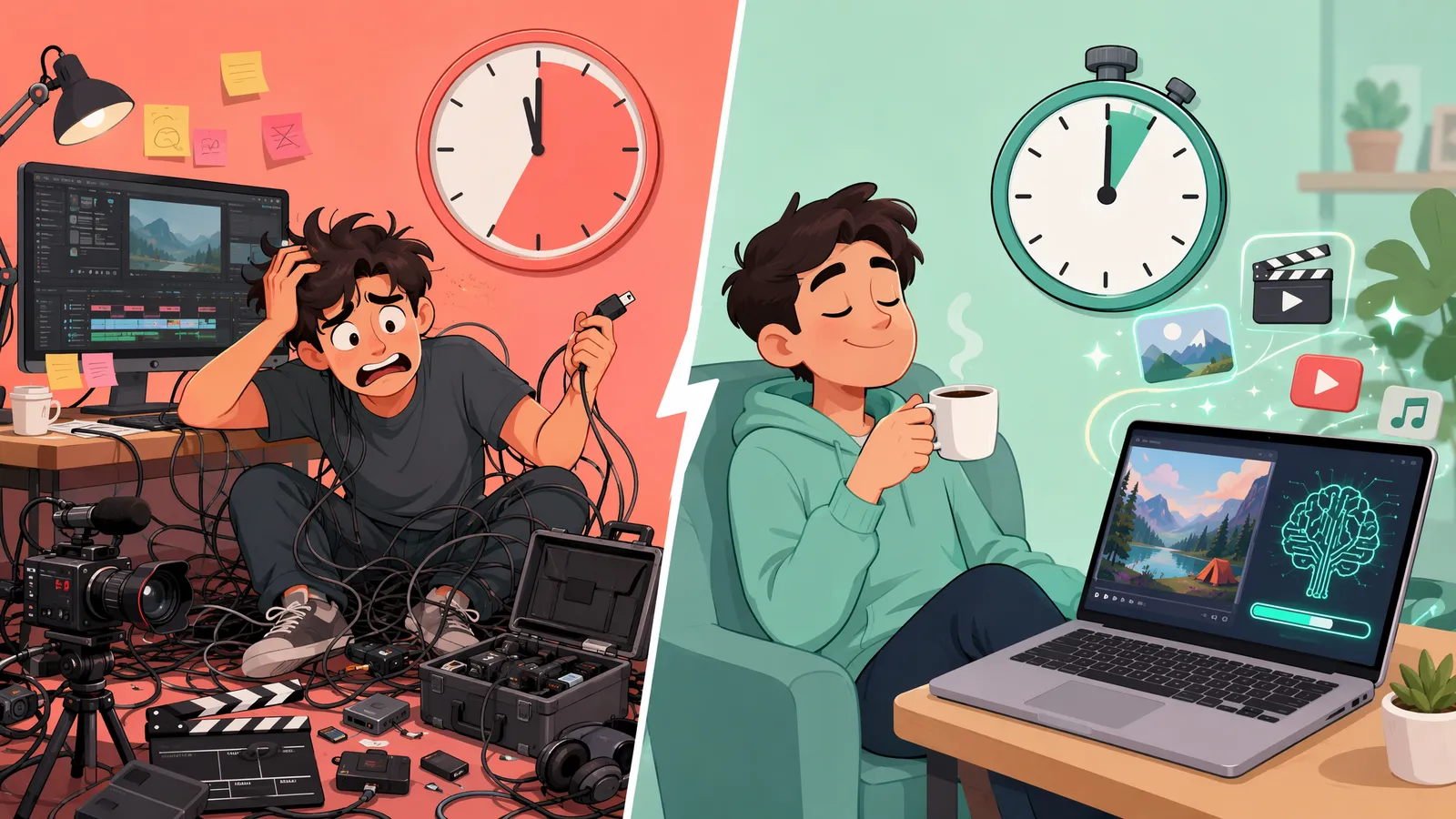
After digesting everything, here's my honest take. If you make short-form content — ads, product demos, social media — Seedance 2.5 is genuinely transformative. A coffee brand I follow used Seedance 2.5 to generate a 30-second TVC in a single afternoon, with multiple versions completed within a day. This isn't hypothetical — it's happening right now.
If you're an indie filmmaker or short drama creator, local editing alone is worth the switch. But Seedance 2.5 won't replace high-end production — it democratizes the 80% middle ground.
The competitive window is narrow. But right now, in July 2026, the answer is Seedance 2.5. The gap is so large there's barely a comparison. For deeper dives: [Seedance vs Sora](/blog/seedance-vs-sora), [Seedance vs Kling](/blog/seedance-vs-kling), and [Seedance vs Runway](/blog/seedance-vs-runway).
Frequently Asked Questions
When did Seedance 2.5 officially launch?
Announced June 23, 2026 at FORCE conference. Public access July 6 via Dreamina. Full API July 16, 2026.
What are the three biggest upgrades?
30-second native generation (up from 15s), 50 multimodal references (up from 12), and precision local editing. Seedance 2.0 also got native 4K + 10-bit color.
How does Seedance 2.5 compare to Sora?
Sora was shut down March 2026. Seedance 2.5 delivers 30s 4K, 50 references, local editing, native audio 8+ languages — surpassing Sora on every dimension.
What is REBOOT?
First creative short film produced entirely with Seedance 2.5, premiered at FORCE conference June 23, 2026.
What is the AI Copyright Platform?
ByteDance launched AI Copyright Platform with Stephen Chow as first partner. 100,000+ creations on launch day.
Is Seedance 2.5 free?
Available through Dreamina with free credits. Paid ~$0.05-0.15/second.
Our Top Pick
Seedance 2.5
9.2/10ByteDance's flagship video generation model — 30-second native video, 50 multimodal references, and up to 4K output. The best overall quality we've tested.
- 30-second continuous video
- 4K resolution output
- 50 multimodal references
- Audio-visual sync
- Character consistency
- Motion brush control
Get Weekly AI Video Tips
Join 500+ creators getting the latest AI video tool reviews, tutorials, and exclusive tips every Friday.
No spam. Unsubscribe anytime. We respect your privacy.